
If you are driving a rental car in Southern California, tolls can get confusing fast. Los Angeles does not work like a city where you pull up to a booth, hand over cash, and move on. The main toll issue most visitors run into is the Metro ExpressLanes system on the I-10 and I-110, which uses FasTrak and dynamic pricing instead of a traditional toll-booth model. That means the real question is not just whether tolls exist. It is how those Los Angeles tolls get charged to a rental car. Understanding that before you get on the road can help you avoid surprise fees, missed payments, and a stressful follow-up after the trip.
What Tolls Usually Mean in Los Angeles
When visitors think of tolls, they often imagine a separate toll road. In Los Angeles, the most common toll issue is the ExpressLanes system. Metro operates ExpressLanes on the I-10 and I-110, and toll prices change based on traffic conditions. The toll is higher when congestion is heavier and lower when traffic is lighter.
These lanes are designed to keep traffic moving. For solo drivers, that means paying a variable toll. For eligible carpools, the rules can be different depending on the freeway and the number of people in the vehicle. On the I-10, vehicles with three or more occupants can travel toll-free at all hours, while two-person carpools are toll-free only during off-peak hours. On the I-110, vehicles with two or more occupants can travel toll-free at all hours, but the occupancy setting still has to be handled correctly through FasTrak Flex.
This matters because Los Angeles rental car tolls are not just about whether you enter a toll lane. They are also about how the trip is recorded and how the charge gets assigned.
FasTrak Is the System You Need to Know
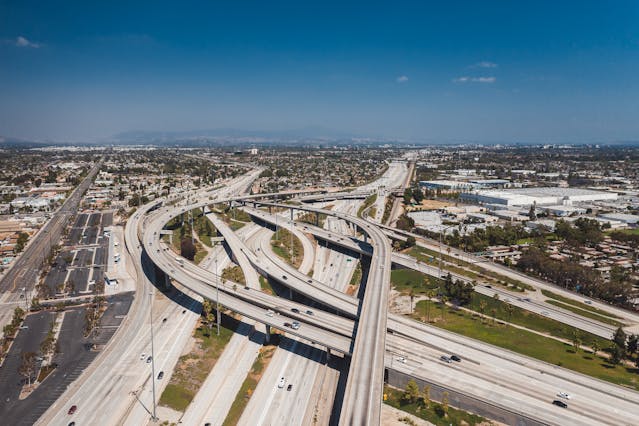
FasTrak is the electronic toll collection system used on California toll facilities, including the Metro ExpressLanes in Los Angeles. Metro explains that drivers use FasTrak electronically rather than stopping to pay. For the I-10 and I-110 ExpressLanes, FasTrak Flex is especially important because it lets a driver indicate the number of occupants in the vehicle before entering the lanes.
That detail is easy to overlook in a rental. A visitor may see the lanes, assume they can decide later, and only then realize the system is electronic and tied to the vehicle and transponder setup. Metro states clearly that FasTrak is required for ExpressLanes use, and once you pass the entry point, the system reads the transponder and charges the account based on occupancy and the toll displayed at that time.
For a renter, that means you should not enter those lanes casually. You should know in advance how the vehicle handles tolls.
Why Rental Cars Make Toll Charges More Complicated

With your own car, toll charges are your problem to manage directly. With a rental, the vehicle is registered to the rental company. That changes what happens when a toll is recorded. Metro says that if a driver uses the I-10 or I-110 ExpressLanes without a FasTrak Flex transponder or registered account, the registered owner of the vehicle is responsible for the toll payments, and a notice is issued with the toll amount plus a $9 processing fee.
In a rental situation, that usually means the toll is first connected to the rental company as the vehicle owner. From there, the company may pass the toll through to the renter according to its own billing policies. That is where people get surprised. The toll itself may not feel huge, but the extra administrative handling can make the final cost more frustrating than expected.
This is one of the biggest reasons to understand Los Angeles rental car tolls before you drive instead of after the charges appear.
What Catches Visitors Off Guard

Most visitors are not used to Los Angeles traffic systems, so the problem often starts with assumptions. A driver may think a toll lane will have a payment booth later. Another may assume an HOV lane and an ExpressLane work the same way. Someone else may see a faster lane during heavy traffic and make a last-second move without understanding how the toll gets billed.
The occupancy rules also catch people off guard. Metro requires drivers using FasTrak Flex to set the transponder to the correct occupancy before starting the trip. If that is not done correctly, the toll handling can go wrong.
Another problem is simple forgetfulness. Visitors land, pick up the rental, focus on hotels or meetings, and do not think about toll policy until days later. By then, the trip is over and the charge is no longer easy to reconstruct.
How to Avoid Surprise Toll Fees

The best Los Angeles driving tip in this situation is simple. Ask how tolls are handled before you leave the rental lot. Do not assume. Do not guess. Confirm whether the vehicle includes a transponder, whether FasTrak use is built into the car’s setup, and what happens if you use toll facilities.
If you know you will not need the ExpressLanes, the safest option may be to stay out of them entirely. If you expect to use them, understand the process before you enter. In Los Angeles, route choice matters. It is often easier to avoid a toll-related headache than to sort one out later.
It also helps to pay attention to the signage. Metro notes that drivers see a series of signs before entering the ExpressLanes, including signs showing the toll amounts and signs warning that FasTrak is required beyond that point.
A calm, informed decision is always better than a rushed lane change.
Why the ExpressLanes Are Easy to Misread
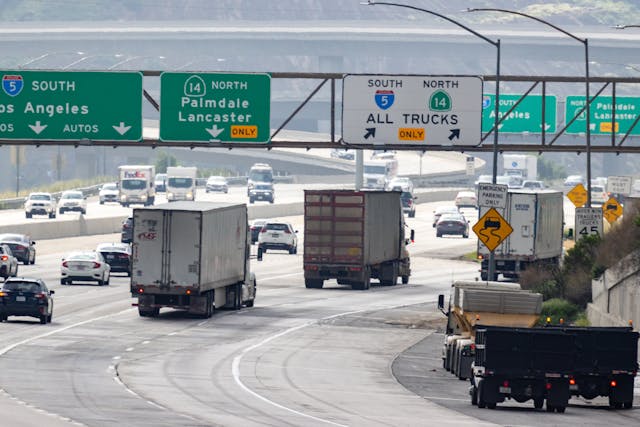
Part of the confusion is that the ExpressLanes are built into normal freeway travel. They do not always feel separate enough to warn a first-time visitor that the rules have changed. A person driving in LA for the first time may focus on speed, traffic flow, or a GPS route and miss the operational difference between general lanes and toll-managed lanes.
Metro also states that the I-10 and I-110 ExpressLanes operate 24/7 and that the toll amounts are shown before entry. That means the system is always active, not something that turns on only during select hours.
For visitors, that creates a simple rule of thumb. If you are not sure how tolls are being handled in the rental, stay in the general lanes until you know.
The Scam Problem Visitors Should Know About
Toll confusion has created another issue: scam texts. Metro officials have warned customers that scammers have targeted FasTrak users with fake messages demanding payment. Metro’s public warning said they do not send text messages asking for sensitive information or requesting payment through suspicious links.
That matters for renters because a driver who expects a toll issue may be more likely to believe a fake message. If you receive a text demanding toll payment, do not assume it is real just because you drove through Los Angeles. Verify through official channels first.
What Drivers Should Remember Before Returning the Car

Before the trip ends, think back through your route. If you used the I-10 or I-110 ExpressLanes, that matters. If you think you may have entered one of those lanes by mistake, that matters too. Keep your rental paperwork until the final billing is complete, and review the post-rental charges carefully.
A toll issue is easier to understand when the trip is still fresh in your mind. Once a statement appears days or weeks later, the route details may already feel fuzzy. The point is not to worry about every mile. It is to close the trip with enough awareness that no charge feels completely mysterious.
Need More Info About Los Angeles Rental Car
Tolls?
Value Rental Car has locations in Inglewood near LAX and Pasadena. Asking about toll handling before pickup can make your Los Angeles driving experience easier and help you avoid unnecessary confusion on the road.